


That is the question.
After all, who wouldn’t want to take credit for 197 million birds eaten each day around the world?
Fried chicken is everywhere. From popular restaurants, fast food, frozen, and homemade, it’s a global favorite. There are drumsticks, tenders, breasts, nuggets, sandwiches, and just about anything a creative chef can invent. Check out U.S. National Fried Chicken Day (July) or indulge in fried chicken like yangnyeom (Korea), karaage (Japan), pollo frito (Italy), and yassa (Senegal).
The art of frying anything originated in ancient times. Many historians believe it goes back 4500 years when farmers and herders took over the lands of hunter-gatherers. Some argue that deep frying came from what is today modern Israel. Others maintain it originated in Egypt as a way to preserve food.
Deep-fried dough called Zalabiyeh was eaten in biblical Canaan. Frying pans were invented in ancient Mesopotamia.
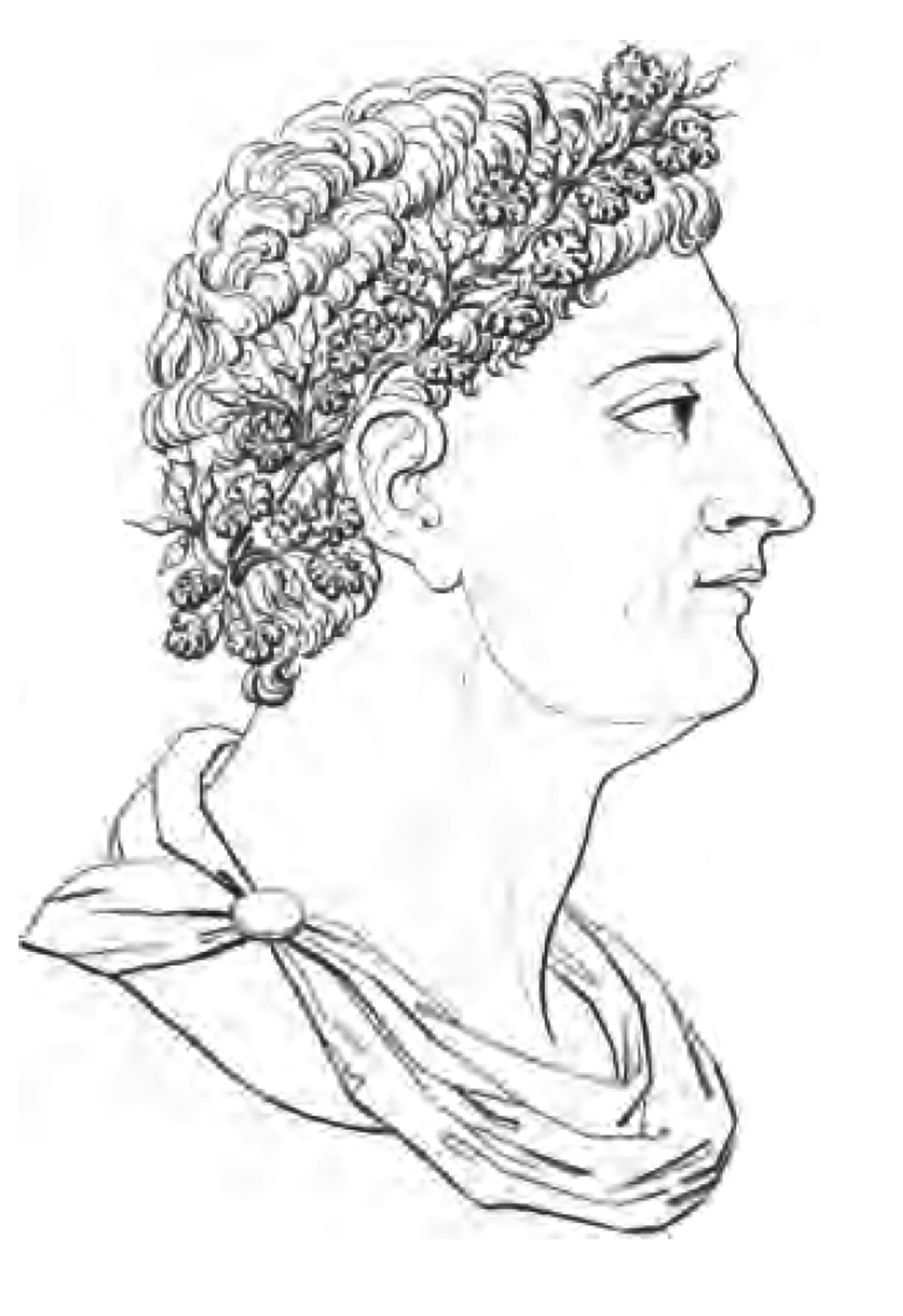
Ancient Greeks and Romans fried various foods. The Greeks used thick, terracotta frying pans. Foodie Marcus Gavius Apicus (below), a wealthy Roman merchant, wrote one of the earliest cookbooks in history. He spoke about foods for the wealthy, like chicken and desserts, usually fried in olive oil.
Medieval and Renaissance cooks also fried foods. According to Wikipedia, cookbook recipes appeared in Europe, Spain, Portugal, and the Middle East. Most food was boiled, braised, or roasted. Spices like caraway, nutmeg, and ginger were popular. The wealthy imported sugar, almonds and dried foods. All fruits and vegetables were cooked.
The poor lived on what the local land could produce.
American-style fried chicken has its own story. Many believe that immigrants from Scotland brought the art of frying chicken in lard to the U.S. colonies. The Scots had been frying food for centuries. However, it was West Africans, mostly slaves, who created the fried chicken we know today – spiced, battered, and cooked in oil.
According to BBC, “only African-Americans, mostly enslaved, could make authentic fried chicken.” Their skills came from African homelands where people had deep fried food for centuries. Most slave families lived on plantations – many women served in the white owner’s house and kitchen as well as in the fields.
Enslaved African-Americans were often allowed to raise chickens and sell eggs. Costly meats, like beef and pork, were too expensive. They did the best with what was available – and “southern fried chicken” was born.
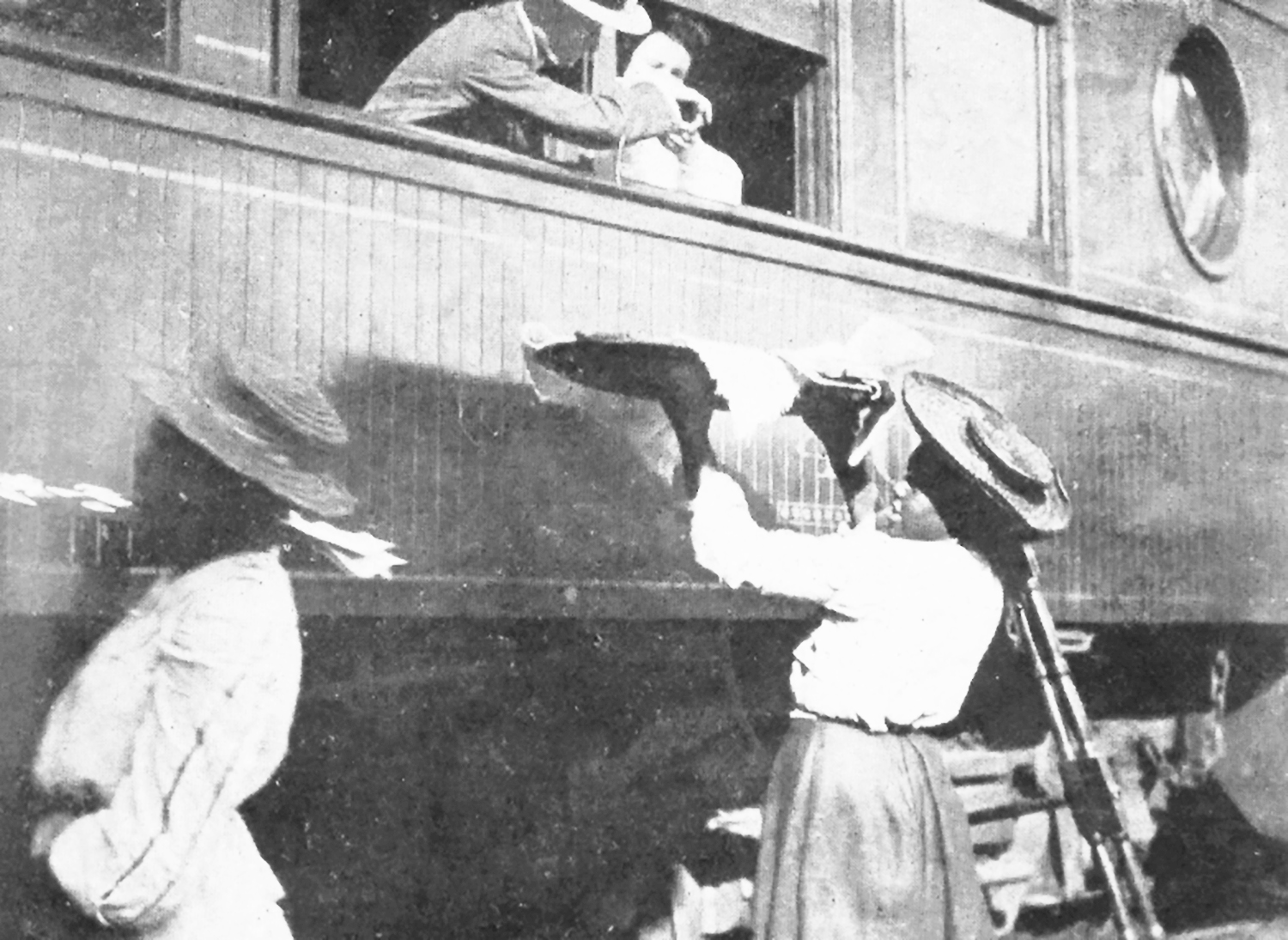
After the Civil War, many freed black women started businesses by becoming fried chicken vendors. They sold on the streets and to railroad passengers. Author Williams-Forson wrote, “because fried chicken travelled well before refrigeration, white passengers would frequently buy the food from African-American cooks through open windows” as shown in this photo courtesy of the Town of Gordonsville, VA.
Fried chicken was a way for black female entrepreneurs to run a business and make money for their families. Although bigots too often connected fried chicken to black stereotypes, it didn’t stop people from eating it. Fried chicken was soul food at its best!
America and the world’s love of fried chicken surged.
Black-owned restaurants featuring fried chicken thrived next to white-owned places. Perhaps no one is better known than Colonel Harlan Sanders and his “finger-licking good” fried chicken. Sanders was neither black or a Colonel. He was a businessman known for franchising. In 1952, at age 62, Sanders franchised his first restaurant in Salt Lake City, Utah featuring his “secret recipe”. You might know the name: Kentucky Fried Chicken.
By age 73, in 1964, KFC had more than 600 locations. The white-haired “Colonel” sold the company but remained a brand ambassador, traveling hundreds of thousands of miles, filming TV commercials, and making special appearances.
Today KFC has 25,000 locations in 145 countries. KFC feeds 12 million people every day using roughly 23 million chickens a year. It ranks second only to McDonald’s.
Competitive eater Joey Chestnut set a world record for downing 44 fried chicken fingers in 5 minutes. The most expensive fried chicken is called “golden.” For $1000 you can get a platter of golden fried chicken dusted with 24 karat gold flakes.
I wonder if the gold sticks in your teeth.


What doesn’t Joey Chestnut eat?? Thanks for another good blog!
Wow- I think I’ll skip the gold-flake dusted fried chicken. But otherwise, count me in! Another great article; always fun and very interesting. I love learning about the history of all these foods I don’t really think about otherwise!