

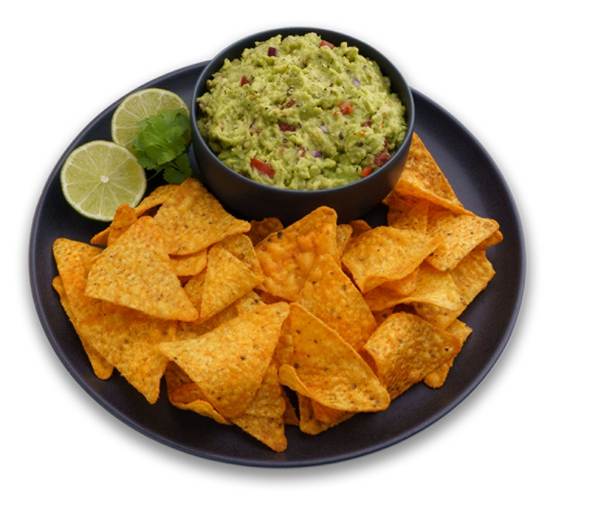
Do you dip crispy tortilla chips at a Tex-Mex restaurant?
Do you savor Sonya’s Salvadoran-chunky-style?
How about munching during Super Bowl?
It’s all holy guacamole!
You probably think that green, creamy guacamole is very modern. Wrong. Guacamole goes way back to the Aztecs. If legend is right, it was a gift from the feathered serpent-god Quetzalcoatl.
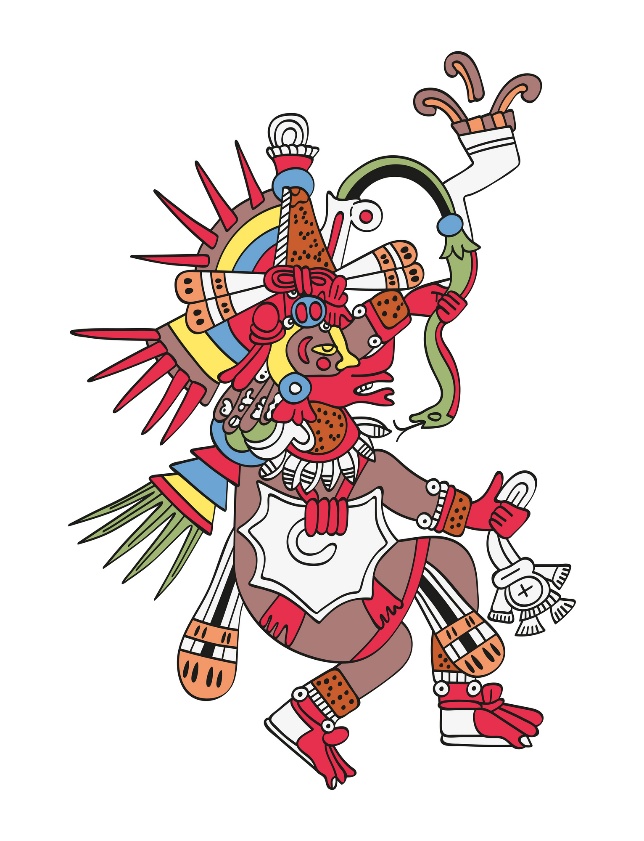
Quetzalcoatl was the god of wisdom, learning, and intelligence. He was worshipped by many tribes in Mesoamerica – the region including what is today Mexico, Guatemala, Belize, El Salvador, and parts of Honduras, Nicaragua, and Costa Rica.
Legend says that Quetzalcoatl gave the recipe for guacamole to his people, who in turn spread it through Mesoamerica. The Aztecs called it ahuacamolli (avocado sauce) and believed it had erotic effects. They claimed that the avocado looked like the male body parts.
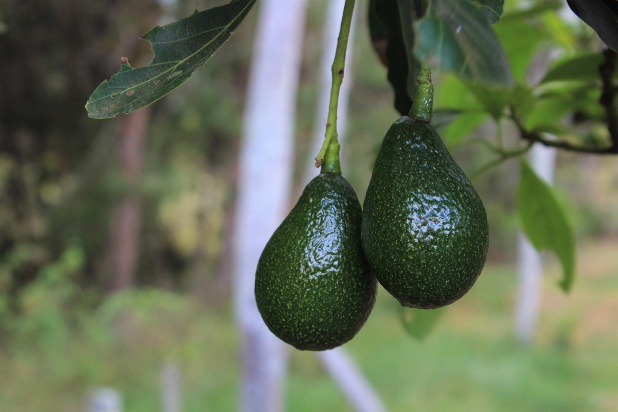
According to The Green Gold Rush “The Aztecs believed that avocados were a powerful aphrodisiac . . . the next time you’re sharing a bowl [of guacamole] on a date . . . you’re participating in a 500-year old tradition of romantic snacking.”
Holy guacamole.
The Aztecs had been cultivating avocados for thousands of years, long before the Spanish Conquistadores arrived in the sixteenth century. Wikipedia reported that avocado seeds were around 9,000-10,000 years ago and “domesticated by various Mesoamerican groups by 5,000 BCE.”
The Spanish Conquistadores loved guacamole and tried to bring avocados back to Europe. They didn’t grow in the climate. They tried to substitute peaches for avocados.
It didn’t work.
Meanwhile, British-born William Dampier began, what Luke Fater called in Wondrous Foods, “a life of piracy in 1679 in Mexico’s Bay of Campeche.” Trade was booming between the New World and cargo ships were easy pickings. Dampier was a foodie – he spread ingredients and cuisines around the world. Most notably, the pirate recorded the first ever recipe for guacamole in his 1697 book, A New Voyage Around the World.

Compliments of Wikimedia Commons
Another book, The Columbian Exchange, was published over three centuries later. It was written by Alfred W. Cosby, author, historian, and Professor Emeritus at the University of Texas. He described The Columbian Exchange as the intensive trade between the Old World and the New World. Native plants from the Americas, like potatoes, maize, tomatoes, and tobacco were introduced. Rice, wheat, and sugar cane arrived in America.
And avocados.
Good pickings for pirates.
There were too many problems growing and transporting avocados. Crush Magazine referred to them as “more of a botanical than a pantry staple.” Consequently, guacamole remained a yummy, regional dish for many centuries.
Until the avocado boom in the 2000s.
Kuan-Ming Huang, et al. in Choices, reported that the avocado “has become one of the most popular superfoods in the world.” In the United States alone, over “70% of consumers consider avocado to be an exceptional source of nutrients.”
Mayorga called it a global phenomenon.
Avocados – guacamole – is packed with nutrients, contain heart-healthy monosaturated fats, and are a great source of fiber. The lime juice in guacamole provides Vitamin C and some of the additions, like tomato, onions, and cilantro, add antioxidants and minerals. It’s a heart-healthy food for both body and soul.
Today more than 400 varieties of avocado are grown around the world. The most popular avocado was grown and sold by a Southern California mail carrier and amateur horticulturist, Rudolph Hass. These days, Hass makes up 95% of all the avocados sales in the U.S. Hass and other varieties are grown everywhere, from Israel and Mexico to South Africa and Spain.
According to AVO-FACTS, the global guacamole market is worth 1.1 billion U.S. dollars. On average, 53.5 million pounds of guacamole are eaten every Super Bowl Sunday – “enough to cover a football field more than 20 feet thick.”
That’s a lot of ahuacamolli!
Whether it’s the Superbowl, a local party, or dinner at your favorite Mexican restaurant, don’t forget to give Quetzalcoatl a thumbs up.

Enjoy your guacamole!


