

mobile logo
  • Home
  • About Me
  • Books
    • Broken Series
      • Broken By Truth
      • Broken by Birth
      • Broken by Evil
      • Broken by Madness
      • Broken by Men
      • Broken by Kings
      • Broken “The Prequel”
    • Haunted Family Trees
    • Book Web Minis
      • Are You Endangered? Well-being in the Age of Climate Change
      • Is Your Wonton Soup Endangered?
      • Paranormal Is My Normal
      • Soaring
      • Timepieces: Yesterday’s Stories Today
      • Selfies: Picture Perfect
      • The Old Lady Who Went To Sleep and Woke Up Young
      • Pocket Cash: Your Happy Money
      • Is There A Psychopath in Your Life?
  • Photography
    • Macro
    • Abstracted Reality
    • Nature
    • Street
  • Blogs
    • Photo Psychology
    • Haunted Family Trees
    • Linked In Blogs
  • All About Climate Change

SMOOTH OR CHUNKY, WITH JELLY OR A SPOON. What’s your pleasure?

January 23, 2023
by Dr. Jeri Fink
3 Comments

Peanut butter.

You can gobble it like Presidents Jefferson, Carter, and Clinton, or consume enough (along with fellow Americans) to coat the floor of the Grand Canyon every year.

Peanuts (and peanut butter) don’t grow on trees like pecans and almonds. They’re not even a nut. Peanuts are legumes like beans, lentils, and peas that grow in pods (peanut shells). The peanut bush is green, knee high, with tiny yellow flowers.  When the flowers wilt, the stem goes underground and four to five months later produces peanuts.

The South American Incas and Mayans loved the native peanut plant. The tribes roasted and ground them into “peanut paste.”

Can you picture Montezuma with a jar of Skippy?


The Spanish Conquistadores arrived in the 1600s. They were looking for gold but found peanuts. They brought the peanuts back to Spain where it eventually became an important crop, traded around the world. In Africa the peanuts were swapped for spices and elephant tusks.

The Africans called peanuts “goobers.” Sound familiar?

Peanuts arrived in the states in the 1800s. And it’s never been the same.

Most people believe that George Washington Carver, scientist, inventor, and educator created peanut butter. He didn’t but found so many uses for peanuts – from chili sauce to shampoo – that he became known as the Father of the Peanut Industry.

In 1884 Canadian Marcellus Edson patented “peanut paste” – somewhat reminiscent of the Incas and Mayans. Recognizing its potential, John Kellogg (of cereal fame) patented a process for making peanut butter from raw peanuts. He marketed it as a nutritious food for people who had trouble chewing solid food.

Given the state of dental care, it was a great idea.

Later, in 1928, Joseph Rosefield invented a process to make smooth peanut butter.  He eventually sold it under the name Skippy. Rosefield mixed small pieces of peanuts into the butter and created two types – smooth and chunky.

Years later, Procter & Gamble launched a new peanut butter named Jif. It included sugar and molasses.

The rest, as they say, is history.

Today peanuts and peanut butter are an American staple.

According to Statistica, nearly 300 million Americans eat peanut butter – it’s in 94% of American households. There are enough peanuts grown in one acre to make over thirty thousand peanut butter and jelly sandwiches. It takes 850 peanuts to make an eighteen-ounce jar of peanut butter. By law, peanut butter must contain 90% peanuts and no artificial sweeteners, colors, or preservatives.

There’s a National Peanut Butter Day every year. You can visit cities called Peanut, California and Upper Peanut, Pennsylvania. Peanut butter festivals are held around the country. There’s even a National Peanut Butter and Jelly Day.


Peanut butter has morphed into all kinds of foods like crackers, cereals, cookies, cakes, health food bars, and pretzels. Think Reese’s Peanut Butter Cups, Ritz Bits, Ben & Jerry’s Peanut Butter World, Captain Crunch, and Oreos Peanut Butter cookies. There’s even a psychological term for the rare fear of getting peanut butter stuck to the roof of your mouth – archibutyrophobia.

Try to say that when you’re eating a PB&J sandwich.

Peanuts are nutritionally sound – a good meat alternative. They’re vegan and gluten free; a great source of protein; high in “good” fat; and provide thirty essential vitamins and lots of fiber. Peanuts are also very sustainable. They have one of the smallest carbon footprints of any nut.

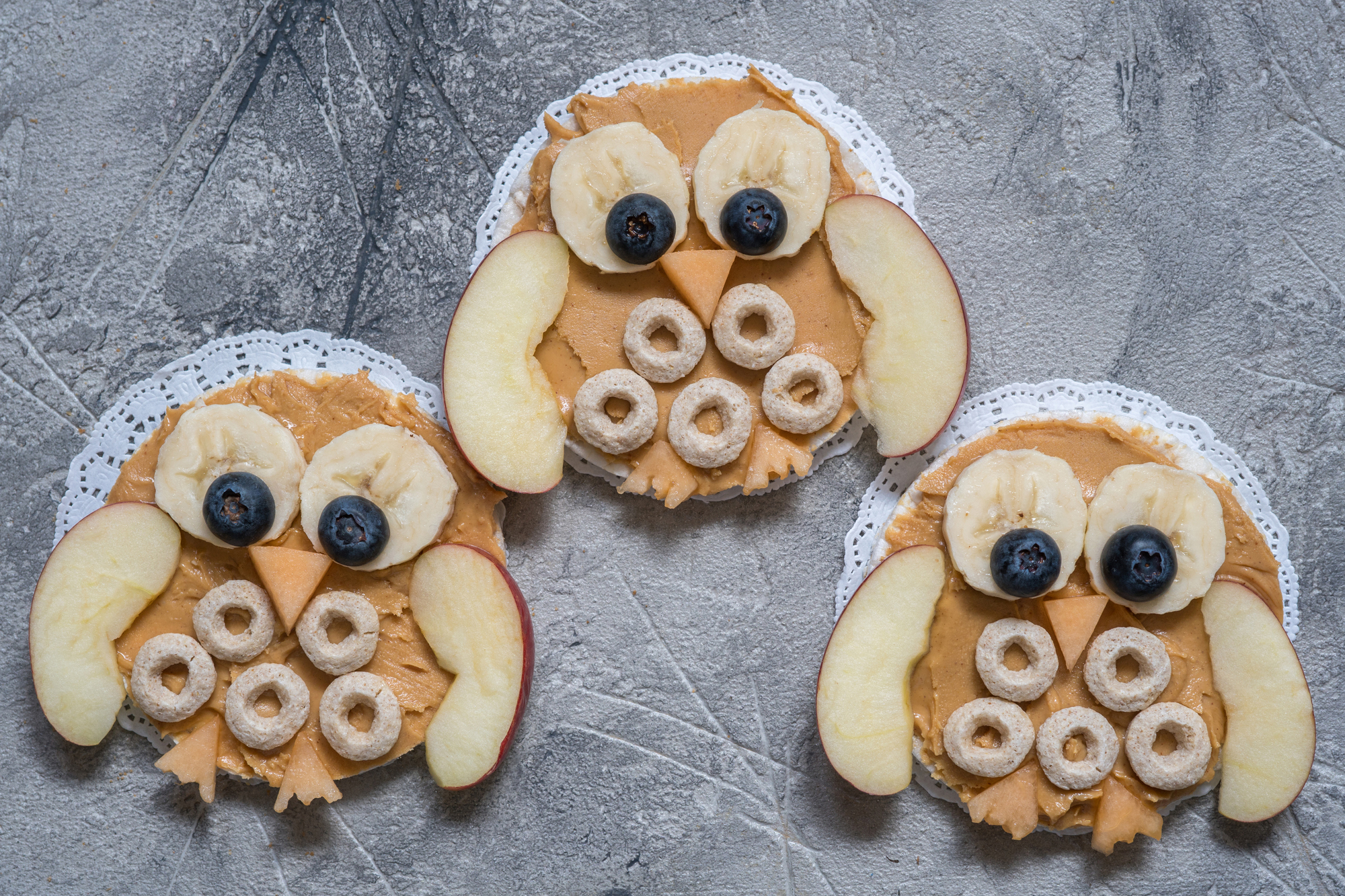
Peanut butter even makes great art – check it out.
Nicaraguan-born American political strategist, television commentator, and co-host of The View, Ana Navarro says it best. “People say to me all the time, ‘when did you know that you had fully become an American?’ And I say, the day I realized I loved peanut butter.”

It’s time to get out your smooth or chunky, jelly and spoon, and go for it.
About the Author
We live in crazy world. It's hard to guess what comes next. I thrive on change, people, and ideas. I've published 37 books and hundreds of blogs and articles. As an author, photographer, and family therapist, my blogs combine the serious, the funny, and the facts. Each blog is a story that informs and entertains readers. Please join me!
Social Share
3 Comments
  1. Barbara Isler January 23, 2023 at 11:58 pm Reply

    My granddaughter and I love peanut butter!
    Love this blog!
    Hope all is well
    ❤️

  2. Barbara Isler January 24, 2023 at 12:00 am Reply

    We love peanut butter!

  3. Craig Oldfather January 28, 2023 at 8:07 pm Reply

    What fun! We love our peanut butter (Skippy Super Chunky) and I’m so glad to learn from reading your excellent article that I do not suffer from archibutyrophobia. Yippee Skippy!! Thanks for another great read.

Leave a Reply Cancel reply

*
*

Recent Posts

  • Does Your Coffee Have Superpowers?
  • Does Your Coffee Have Superpowers?
  • FOOD FIGHT!
  • Where’s Your Beef?
  • WHERE’S YOUR BEEF?
  • WHERE’S YOUR BEEF?
  • WHAT’S IN A MEAL?
  • ARE FRENCH FRIES REALLY FRENCH?
  • ARE FRENCH FRIES REALLY FRENCH?
  • LIVE BY YOUR FORK!
  • FOOD FUNNIES
  • HAPPY BIRTHDAY!
  • DOES A BUFFALO HAVE WINGS?
  • SMOOTH OR CHUNKY, WITH JELLY OR A SPOON. What’s your pleasure?
  • A PICKLED HISTORY
  • FEAST ON A WIN-WIN
  • ARE POLITICS IN YOUR PANCAKES?
  • ARE POLITICS IN YOUR PANCAKES?
  • WHAT’S YOUR FORTUNE?
  • FROM CAMPFIRE TO HILLBILLY HASH: What’s the oldest snack food in history?
  • HAVE YOU EVER SWALLOWED A CLOUD?
  • IS FRIED CHICKEN MORE AMERICAN THAN APPLE PIE?
  • HUSH, PUPPY
  • A BROWNIE BY ANY OTHER NAME
  • What’s your fancy – brownie points, an old camera, or ugly mythical creatures that love to clean house at night? They’re all brownies but not the yummy chocolate treat we love today. Americans chow down 1.4 billion edible brownies a year in different flavors, shapes, and sizes. Where did it begin? In the case of brownies no one knows for sure. Fortunately, fiction is often more fun than fact. Which brings us to the question – were brownies a mistake, an accident, or a special treat for wealthy, turn-of-the-nineteenth-century ladies? Let’s start with a mistake and an accident. Chocolate was very popular in the nineteenth century. Many people believe that an absent-minded chef was mixing batter for a cake and mistakenly left out the flour. Oops. Others say a housewife was out of baking powder and accidently ended up with “flattened cakes” that her guests loved. In both cases, the results were delicious, unplanned fudgy confections. The most popular story comes from celebrated socialite Bertha Palmer (see below). Bertha was married to Potter Palmer, a business tycoon who, on their wedding day, gave her the Palmer House Hotel in Chicago (now a Hilton Hotel). Nice gift. In 1893 Bertha wanted to do something special for
  • CHOUX DOWN!
  • A CHEESEY STORY: Part I
  • A CHEESY STORY: PART 2 The Best, The Fakes, and The Stinkiest
  • DOES IT REALLY MELT IN YOUR MOUTH AND NOT IN YOUR HAND?
  • WHEN WAS THE LAST TIME YOU ATE 100-YEAR OLD COMFORT FOOD?
  • From One Penny to Two Billion Dollars
  • WHAT’S FOR LUNCH? From Hillel to The Earl and Beyond
  • KE-TSIAP TO HEINZ – Where Did Ketchup Come From?
  • SOMETHING OLD, SOMETHING NEW – Married in Tex-Mex
  • SOMETHING OLD, SOMETHING NEW – Married in Tex-Mex
  • TWISTED BILLIONS
  • ARE YOU A COOKIE MONSTER?
  • TWINKIE – The Gourmet Junk food
  • SUSHI TONIGHT?
  • SUNDAE WARS
  • SLICED IN CHILLICOTHE
  • CHICKEN FEED FOR PEOPLE
  • DEEP ROOTS: Meet the Sweet Potato
  • ARE BLUE PUMPKINS SAD?
  • ARE BLUE PUMPKINS SAD?
  • ARE BLUE PUMPKINS SAD?
  • ARE BLUE PUMPKINS SAD?
  • ARE BLUE PUMPKINS SAD?
  • ARE YOU AS UN-AMERICAN AS APPLE PIE?
  • ARE YOU AS UN-AMERICAN AS APPLE PIE?
  • FROM KINGS TO KIDS: The Sticky Story of Marsh-Mallows
  • FROM KINGS TO KIDS: The Sticky Story of Marsh-Mallows
  • WHAT’S YOUR RAMEN?
  • WHAT’S YOUR RAMEN?
  • FROM LONGHOUSE TO YOUR HOUSE
  • WHAT’S YOUR RAMEN?
  • FROM INDIANS AND CONQUISTADORES TO SOUL FOOD, KICKSTARTER, AND YOUR TABLE
  • “Traditional” potato salad probably goes back to the 1700s. Frederick the Great of Germany, ordered that potatoes should be cultivated. The wheat crop had failed and he needed to feed his army. It wasn’t long before kartoffel (potatoes) became kartoffelsalat (potato salad). The salad was made by boiling potatoes in wine or a mixture of vinegar and spices and served warm. Sometimes they added bacon and sugar. German immigrants brought the recipe to the New World, and the American, Amish, and other regional potato salads were born. The recipe was also adapted by French, Greek, Polish, Israeli, and Austrian cooks. Eventually Japan, Korea, Vietnam, China and others created their own versions. Today potato salad is an American icon. There are countless variations related to community, history, family, and location. Culinary historian and author, Michael Twitty, noted that “like a child raised to believe that my church is the only true one, I have had to suspend the idea that I or my culture owns the sole, true potato salad.” There are so many recipes that it fills hundreds of cookbooks, websites, and family ¬recipe boxes. There’s Amish style, drizzled sweet creamy dressing over potatoes, celery, boiled eggs, onion, and sweet pickle relish How about soul food where Rosalind Cummings-Yeates in The Takeout explained that southern cooks prefered mayonnaise and sweet relish while northerners prefered dill and sour cream. Dr. Jon Paul Higgins declared in The Kitchen that his mother’s potato salad was the best, calling it “pure black joy.” Mama used mustard, relish, Lawry’s seasoning salt, and mayonnaise. Doesn’t sound very fancy. That’s all before your grandma’s recipe is added to the mix – along with celebrity chefs like Bobby Flay, Ina Garten, Martha Stewart, and Pioneer Woman’s “perfect potato salad.” Then there are the infamous potato salads – the ones that get attention for things other than their recipes. Guinness World Records awarded the largest serving of potato salad to Spilva Ltd, Latvia. It used over 1,102 pounds of mayonnaise, 2,072 pounds of boiled potatoes, 749 pounds of sausage, 6,000 pounds of boiled eggs, 440 pounds of canned peas, 310 pickled cucumbers, and 33 pounds of salt. That’s quite a mouthful. Not to be outdone, Ohio native Zach “Danger” Brown tried to raise $10 on Kickstarter to make his potato salad. He got $5,500 instead. He used the extra money to throw a party called “Potato Stock” where hundreds of pounds of potatoes were served. Don’t forget Mr. Potato Head or gag books like Always Be Yourself Unless You Can
  • STUMP FOODS: MUNCHING FOR VOTES
  • DEEPER ROOTS

Send Me a Message

Cleantalk Pixel